
Oil Market Drops: Brent Falls Under $100 on US–Iran Peace Developments
May 25, 2026 Source: Rashtra Wire



×
![Popup Image]()
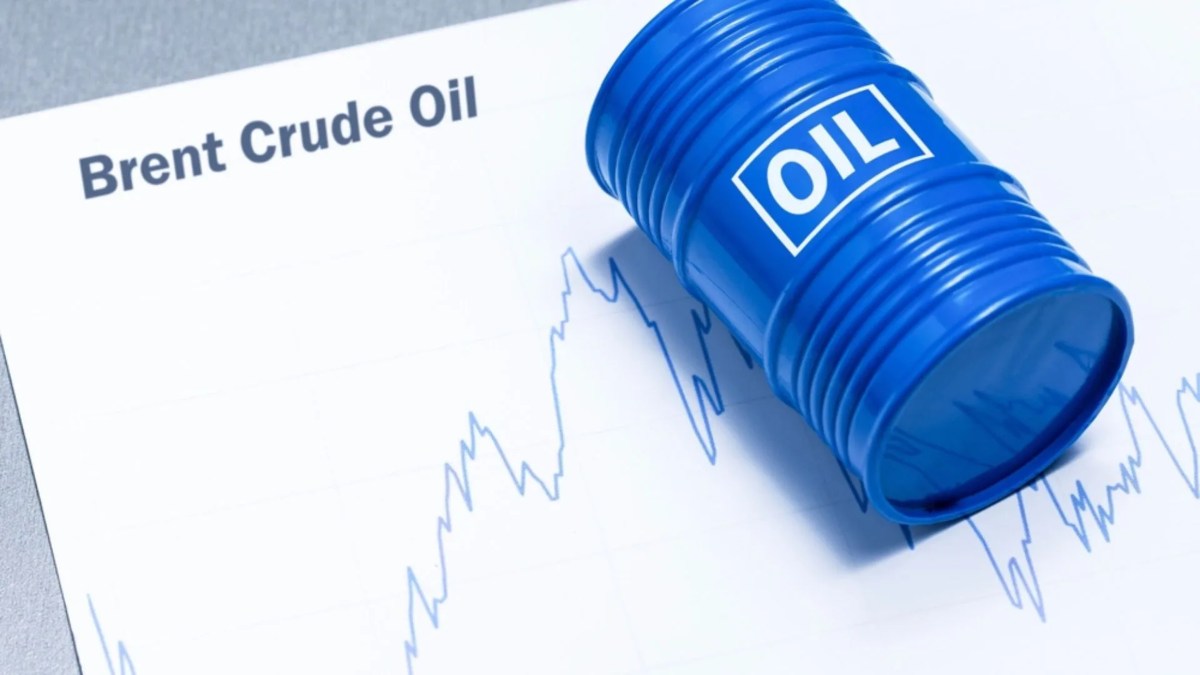
Global crude oil prices dropped sharply in early Asian trading on Monday, May 25, after reports suggested progress in negotiations between the United States and Iran over a potential peace agreement. Market sentiment turned bearish as investors reacted to easing geopolitical tensions that had previously kept oil prices elevated.
Brent crude fell by more than 5%, slipping below the $100 per barrel mark for the first time this month. Similarly, US West Texas Intermediate (WTI) crude also declined significantly, stabilizing near $90 per barrel. Both benchmarks had earlier touched their lowest levels since May 7 during the opening session.
The decline in oil prices was largely driven by expectations that the US and Iran are moving closer to signing a memorandum of understanding (MoU) aimed at de-escalating their ongoing conflict. On Saturday, US President Donald Trump stated that Washington and Tehran had “substantially completed” negotiations on a framework for a peace deal. If finalized, the agreement could lead to the reopening of the Strait of Hormuz, one of the world’s most critical energy transit routes, through which nearly one-fifth of global oil and liquefied natural gas shipments pass.
Despite the optimism, the negotiations remain complex. Several key issues are still unresolved, and President Trump later cautioned that US representatives should not rush into a final agreement. This indicates that while progress has been made, a fully stable resolution has not yet been achieved.
Market analysts noted that crude oil had been trading at elevated levels for weeks due to fears of supply disruption and escalating conflict risks. According to Harris Khurshid, chief investment officer at Khurshid Capital LP, much of the risk premium has now faded as traders realize that tensions are not escalating as previously expected. This shift in sentiment triggered a rapid sell-off in oil futures.
The potential reopening of the Strait of Hormuz is seen as a major relief for global energy markets. Iran has claimed that more than 33 ships have already passed through the waterway, signaling gradual normalization. However, experts believe it may take at least a month for shipping activity to fully return to pre-conflict levels.
Adding to market expectations, White House economic adviser Kevin Hassett suggested that easing tensions could help push energy prices lower, which might also influence the US Federal Reserve to consider interest rate cuts in the future.
Oil trading activity is expected to remain relatively subdued, as public holidays in both the United States and the United Kingdom could reduce market liquidity in the short term.