Munir and Shahbaz Face Tough Choice as Trump Pushes Israel Deal
May 27, 2026 Source: Rashtra Wire



×
![Popup Image]()
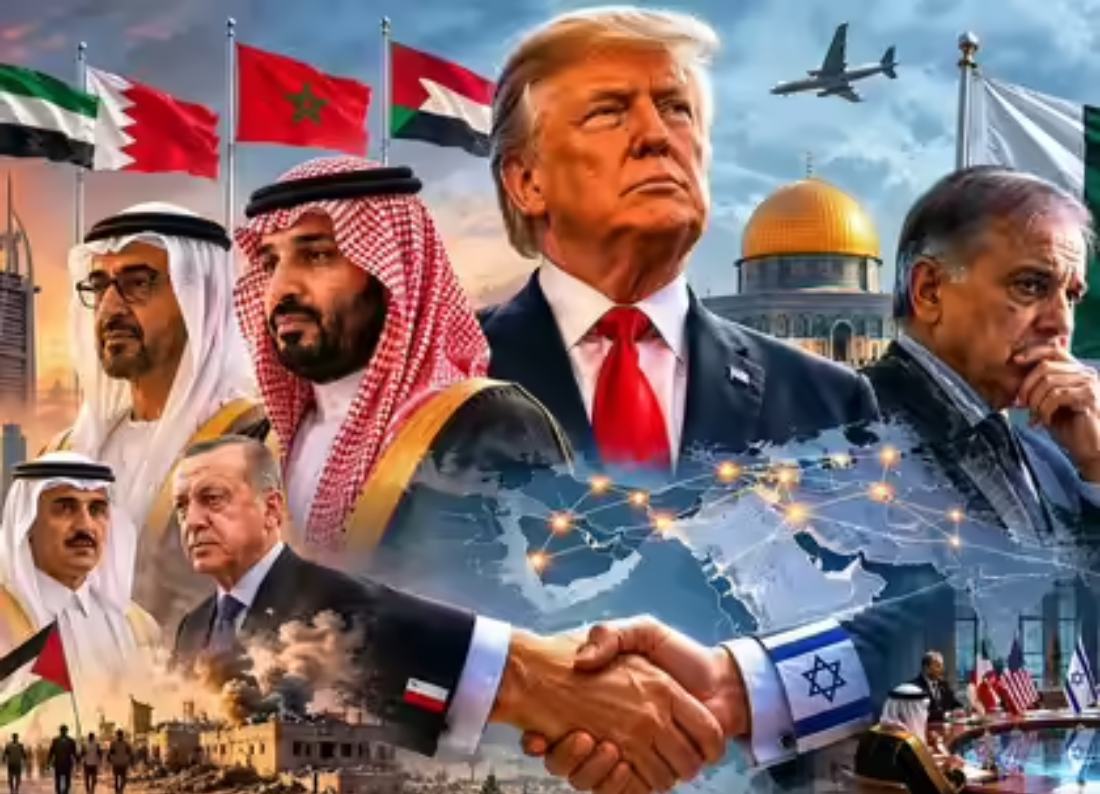
Pakistan has found itself in a difficult diplomatic situation after rejecting calls linked to former US President Donald Trump’s proposed expansion of the Abraham Accords. The controversy began after Trump reportedly encouraged several Muslim nations to normalize relations with Israel and become part of a broader regional peace framework.
During a recent high-level discussion with leaders from Muslim-majority countries, Trump emphasized the need for stronger cooperation in West Asia. He suggested that countries such as Saudi Arabia, Qatar, Turkey, and even Pakistan should move toward recognizing Israel under the Abraham Accords framework. Trump also reportedly linked Pakistan’s possible role in future US-Iran diplomatic efforts with the question of recognizing Israel.
However, Pakistan quickly rejected the idea. Pakistani Defence Minister Khawaja Asif stated that Islamabad could not compromise on its long-standing ideological position regarding Palestine. He stressed that Pakistan’s policy toward Israel would remain unchanged and pointed out that Pakistani passports are still marked as invalid for travel to Israel. According to Asif, Pakistan cannot trust Israeli leadership enough to normalize relations.
The issue has placed Pakistan in a sensitive position internationally. Islamabad has historically supported the Palestinian cause and avoided officially recognizing Israel. Analysts believe that any sudden shift in policy could trigger strong political and public backlash inside Pakistan. At the same time, refusing American diplomatic expectations could create further tension with Washington.
Pakistan’s economic dependence on international financial support has added another layer of concern. The country has long relied on assistance from institutions such as the IMF and the World Bank, where US influence remains significant. Observers believe that deteriorating ties with Washington could increase economic pressure on the financially struggling nation.
Meanwhile, US Senator Lindsey Graham also criticized Pakistan’s position. Graham questioned Islamabad’s neutrality and raised concerns over reports that Iranian military aircraft may have used Pakistani air bases. He further described anti-Israel statements from Pakistani leaders as troubling and called for clarity on Pakistan’s stance regarding the Abraham Accords.
The developments have intensified debate over Pakistan’s foreign policy direction. While Islamabad continues to defend its traditional support for Palestine, growing geopolitical pressure from the United States and shifting Middle East alliances are forcing the country to navigate an increasingly complex diplomatic landscape.