New E30 Fuel Policy in Focus as India Pushes Cleaner Energy Goals
May 20, 2026 Source: Rashtra Wire



×
![Popup Image]()
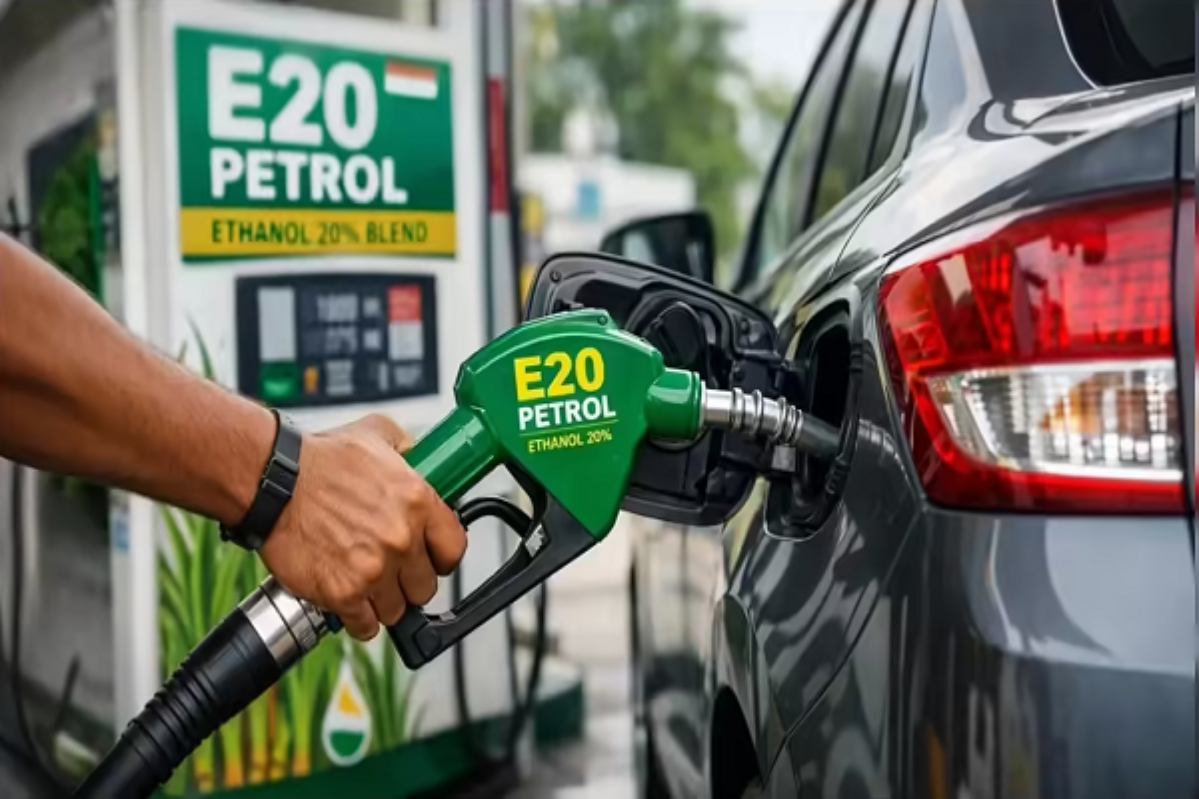
The Indian government has started preparations to increase ethanol blending in petrol from the current E20 level to as high as E30 in the coming years. This move is part of India’s long-term strategy to reduce crude oil imports, lower pollution, and strengthen the country’s biofuel sector.
In May 2026, the Bureau of Indian Standards (BIS) issued new quality standards for ethanol-blended fuels, including E22, E25, E27, and E30 petrol. These standards officially came into effect on May 15, 2026. At present, E20 fuel — which contains 20 percent ethanol mixed with petrol — is already available across India. The government now plans to gradually increase ethanol content in a phased manner to avoid any inconvenience to consumers and vehicle owners.
The government believes that higher ethanol blending can help India reduce dependence on imported crude oil while also cutting carbon emissions. Officials say this transition will support cleaner energy goals and contribute to environmental protection. However, authorities are moving carefully to ensure that fuel quality remains stable and vehicle engines are not negatively affected by the increased ethanol percentage.
To support this ambitious plan, the government is also expanding ethanol production sources. Earlier, ethanol production mainly depended on sugarcane molasses. Now, India is increasingly focusing on producing ethanol from corn, broken rice, and other grains. This diversification is expected to boost supply and create more opportunities for farmers and agricultural industries.
According to industry estimates, India’s ethanol production capacity has reached nearly 2 billion liters. However, oil marketing companies currently procure around 1 billion liters. Experts believe that with higher ethanol blending targets, demand for ethanol will rise significantly, benefiting farmers, sugar mills, and the broader biofuel industry.
The push toward higher ethanol blending is also backed by policy recommendations from the NITI Aayog Expert Committee. Its report, titled “Roadmap for Ethanol Blending in India 2020-25,” played a major role in accelerating India’s ethanol program. Based on the committee’s recommendations, the government advanced its E20 target ahead of the earlier 2030 deadline.
With preparations for E30 now underway, India is taking another major step toward cleaner and more sustainable fuel solutions.