
Plea Seeking Ban on Kejriwal From Elections Rejected by Delhi HC
May 20, 2026 Source: Rashtra Wire



×
![Popup Image]()
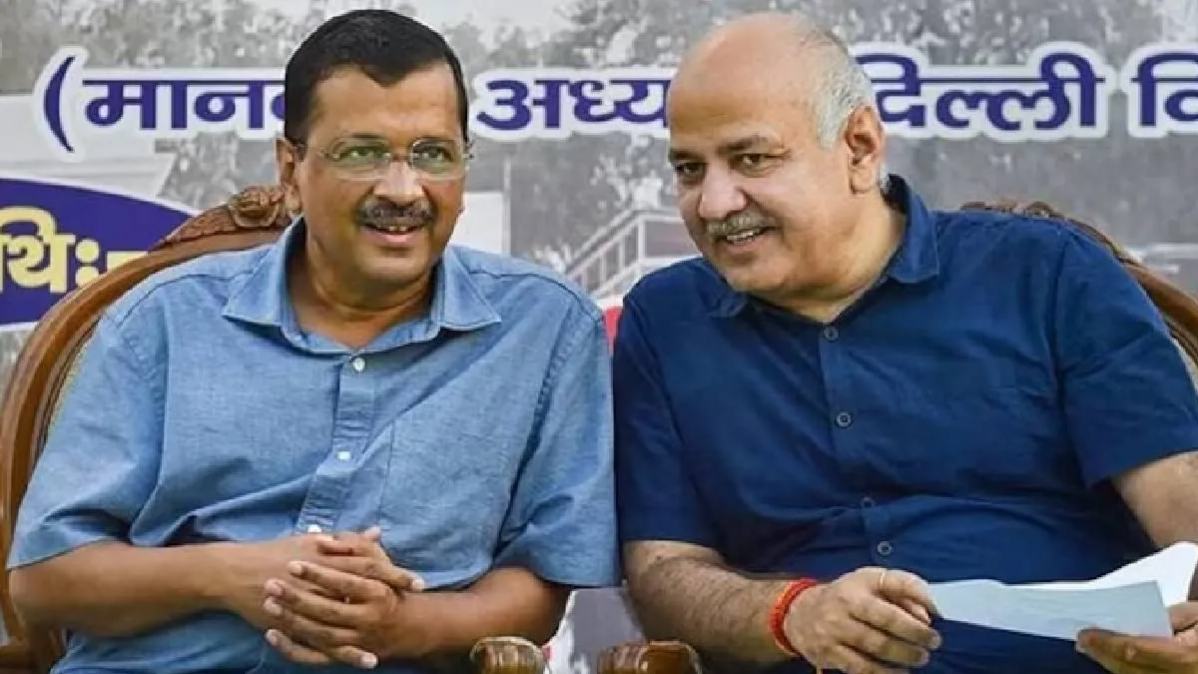
The Delhi High Court has dismissed a Public Interest Litigation (PIL) seeking the disqualification of Arvind Kejriwal, Manish Sisodia, and Durgesh Pathak from contesting elections, along with the deregistration of the Aam Aadmi Party (AAP). The court described the petition as “baseless” and said it was filed due to a misunderstanding of the legal framework governing political parties and election laws.
A bench led by Chief Justice Devendra Upadhyay heard the matter and firmly rejected the plea, stating that the allegations raised in the petition had no legal merit. The PIL had urged the Election Commission of India to cancel AAP’s registration under Section 29A(5) of the Representation of the People Act, 1951. The petitioner argued that the party and its leaders had allegedly disrespected judicial proceedings during the liquor policy case by boycotting court hearings and running a campaign against the judge on social media.
However, the High Court observed that there is no legal provision allowing the deregistration of a political party under such circumstances. The judges questioned the petitioner about the legal basis for seeking cancellation of a party’s registration and pointed out that contempt of court and election laws operate under separate legal frameworks.
The court further clarified that a political party’s registration can generally be cancelled only if it is declared an unlawful organisation under laws such as the Unlawful Activities (Prevention) Act (UAPA) or similar legislation. Simply alleging misconduct or criticism of judicial proceedings does not automatically justify deregistration or disqualification from elections.
The petitioner had claimed that the plea was filed in public interest to preserve public faith in the justice delivery system and ensure equal respect for courts irrespective of a person’s political status. The lawyer also argued that Section 29A(5) requires political parties to give a written commitment to uphold the Constitution and democratic principles, suggesting that violations could invite action.
Despite these arguments, the High Court concluded that the petition lacked a valid legal foundation and was not maintainable. As a result, the PIL was dismissed without any directions being issued against AAP or its leaders.